
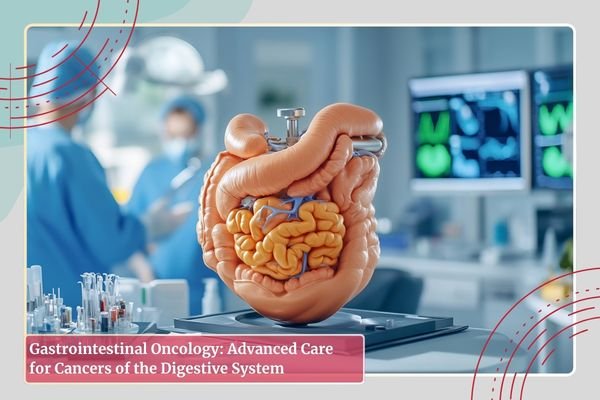
Cancers affecting the digestive system are among the most common and potentially serious forms of cancer worldwide. These cancers can develop in various organs, including the esophagus, stomach, liver, pancreas, gallbladder, colon, rectum, and small intestine.
The good news is that advances in Gastrointestinal (GI) Oncology, early diagnosis, minimally invasive surgery, robotic-assisted procedures, chemotherapy, and targeted therapies have significantly improved treatment outcomes and survival rates.
Early detection remains one of the most important factors in successful treatment. Under the expert guidance of Dr. Supratim Bhattacharyya, patients receive comprehensive gastrointestinal cancer care using evidence-based, personalized treatment strategies designed to achieve the best possible outcomes.
What is Gastrointestinal Oncology?
Gastrointestinal Oncology is a specialized branch of cancer care focused on the diagnosis, treatment, and management of cancers affecting the digestive system.
Common GI Cancers Include:
Esophageal Cancer
Cancer affecting the food pipe that carries food from the mouth to the stomach.
Stomach (Gastric) Cancer
Cancer that develops in the lining of the stomach.
Colorectal Cancer
Cancer affecting the colon or rectum.
Liver Cancer
Cancer originating in the liver or spreading to the liver from other organs.
Pancreatic Cancer
A complex cancer affecting the pancreas, often requiring specialized treatment.
Gallbladder and Bile Duct Cancer
Cancers involving the biliary system.
Small Intestine Cancer
A relatively rare but important gastrointestinal malignancy.
Risk Factors
- Tobacco use
- Alcohol consumption
- Obesity
- Family history of cancer
- Chronic inflammatory bowel disease
- Hepatitis infections
- Fatty liver disease
- Unhealthy dietary habits
- Certain genetic syndromes
When Should You Seek Treatment?
Many gastrointestinal cancers may not cause symptoms during their early stages. Therefore, recognizing warning signs is essential.
Common Symptoms of GI Cancers
- Unexplained weight loss
- Persistent abdominal pain
- Difficulty swallowing
- Persistent indigestion
- Chronic acidity
- Loss of appetite
- Blood in stool
- Changes in bowel habits
- Persistent constipation or diarrhea
- Jaundice (yellowing of the skin and eyes)
- Abdominal bloating
- Fatigue and weakness
- Unexplained anemia
Seek Medical Evaluation If:
- Symptoms persist for more than a few weeks
- There is unexplained weight loss
- You notice blood in stool or vomit
- You have a family history of gastrointestinal cancers
- Screening tests show abnormalities
Early evaluation can lead to earlier diagnosis and more effective treatment.
Why is Treatment Recommended?
The primary goal of gastrointestinal oncology treatment is to remove or destroy cancer while preserving organ function and improving quality of life.
Benefits of Early Treatment
Improved Survival Rates
Early-stage GI cancers often have significantly better outcomes.
Minimally Invasive Treatment Options
Many cancers can now be treated through laparoscopic and robotic-assisted surgery.
Reduced Risk of Cancer Spread
Timely treatment helps prevent metastasis to other organs.
Better Functional Outcomes
Early intervention often allows preservation of digestive function and quality of life.
Personalized Treatment Planning
Treatment is tailored according to the type, stage, and biological characteristics of the cancer.
Treatment Options
Depending on the cancer type and stage, treatment may include:
Minimally Invasive GI Cancer Surgery
Small-incision surgery associated with faster recovery and reduced postoperative discomfort.
Robotic Cancer Surgery
Advanced robotic technology enables precise tumor removal while preserving healthy tissue.
Hepatobiliary & Pancreatic Surgery
Specialized procedures for liver, pancreas, and bile duct cancers.
Colorectal Cancer Surgery
Treatment for cancers of the colon and rectum.
Chemotherapy
Used before or after surgery to improve outcomes.
Targeted Therapy
Designed to attack specific cancer cells while minimizing damage to healthy tissues.
Immunotherapy
Recommended for selected gastrointestinal cancers.
Multidisciplinary Cancer Care
Coordination between surgeons, medical oncologists, radiation oncologists, gastroenterologists, and supportive care specialists.
Risks and Complications
If left untreated, gastrointestinal cancers can progress and become life-threatening.
Potential Complications
- Intestinal obstruction
- Gastrointestinal bleeding
- Severe weight loss
- Liver dysfunction
- Jaundice
- Difficulty swallowing
- Metastatic disease
- Nutritional deficiencies
- Organ failure
Treatment-Related Risks
Depending on the treatment approach, patients may experience:
- Postoperative pain
- Infection
- Bleeding
- Temporary digestive changes
- Fatigue
- Chemotherapy-related side effects
Advanced surgical techniques and comprehensive postoperative care help minimize these risks.
Frequently Asked Questions (FAQ)
What is gastrointestinal oncology?
Gastrointestinal oncology is a specialized field dedicated to the diagnosis and treatment of cancers affecting the digestive system.
Which cancers are treated under GI oncology?
GI oncology covers cancers of the esophagus, stomach, liver, pancreas, gallbladder, bile ducts, colon, rectum, and small intestine.
Can gastrointestinal cancers be cured?
Many GI cancers can be successfully treated, especially when diagnosed at an early stage.
What are the early warning signs of GI cancer?
Symptoms may include unexplained weight loss, blood in stool, abdominal pain, difficulty swallowing, persistent indigestion, and changes in bowel habits.
Is robotic surgery safe for gastrointestinal cancers?
Yes. Robotic-assisted surgery is a safe and advanced technique that offers enhanced precision and faster recovery in selected patients.
How are GI cancers diagnosed?
Diagnosis may involve:
- Endoscopy
- Colonoscopy
- CT Scan
- MRI
- PET-CT
- Biopsy
- Blood tests
Can lifestyle changes reduce the risk of GI cancers?
Yes. Avoiding tobacco, limiting alcohol, maintaining a healthy weight, exercising regularly, and undergoing recommended screening can help reduce risk.
About Dr. Supratim Bhattacharyya
Dr. Supratim Bhattacharyya
MBBS, MS (General Surgery), MCh (Surgical Oncology)
Fellowship in Minimally Invasive GI Surgery, Oncology & Robotic Surgery (HCG, Bangalore)
Fellowship in Minimally Invasive Surgery (RGUHS)
Fellowship in Hepatobiliary and Pancreatic Surgery, Tokyo Women’s Medical University, Japan
Consultant Surgical Oncologist
Dr. Supratim Bhattacharyya specializes in gastrointestinal oncology, minimally invasive cancer surgery, robotic surgery, hepatobiliary and pancreatic surgery, and complex oncological procedures. With advanced national and international training, he is dedicated to providing personalized cancer care focused on achieving optimal clinical outcomes and improved quality of life.
Call to Action (CTA)
Persistent digestive symptoms should never be ignored. Early diagnosis and timely treatment can dramatically improve outcomes for gastrointestinal cancers.
Schedule a consultation with Dr. Supratim Bhattacharyya today for expert evaluation, advanced gastrointestinal cancer treatment, and personalized surgical oncology care. Early action can be the key to successful treatment and long-term health.